Home | The Body Of Christ Has AIDS: The Documentary the Church Needs to See
Written by Diana Beas Soto.
Photos provided by Margaret Irwin and Stephen Hale.
A new independent documentary, The Body of Christ Has AIDS, is asking the question that has gone largely unexamined in decades of AIDS storytelling and media: Where was the American Protestant church?
“The AIDS story has been told in different ways,” says co-producer and co-director Margaret Irwin, “but it’s never been told through the lens of ‘Where was the Protestant church?”
The answer, it turns out, is complicated. Painful. And in places, unexpectedly beautiful.
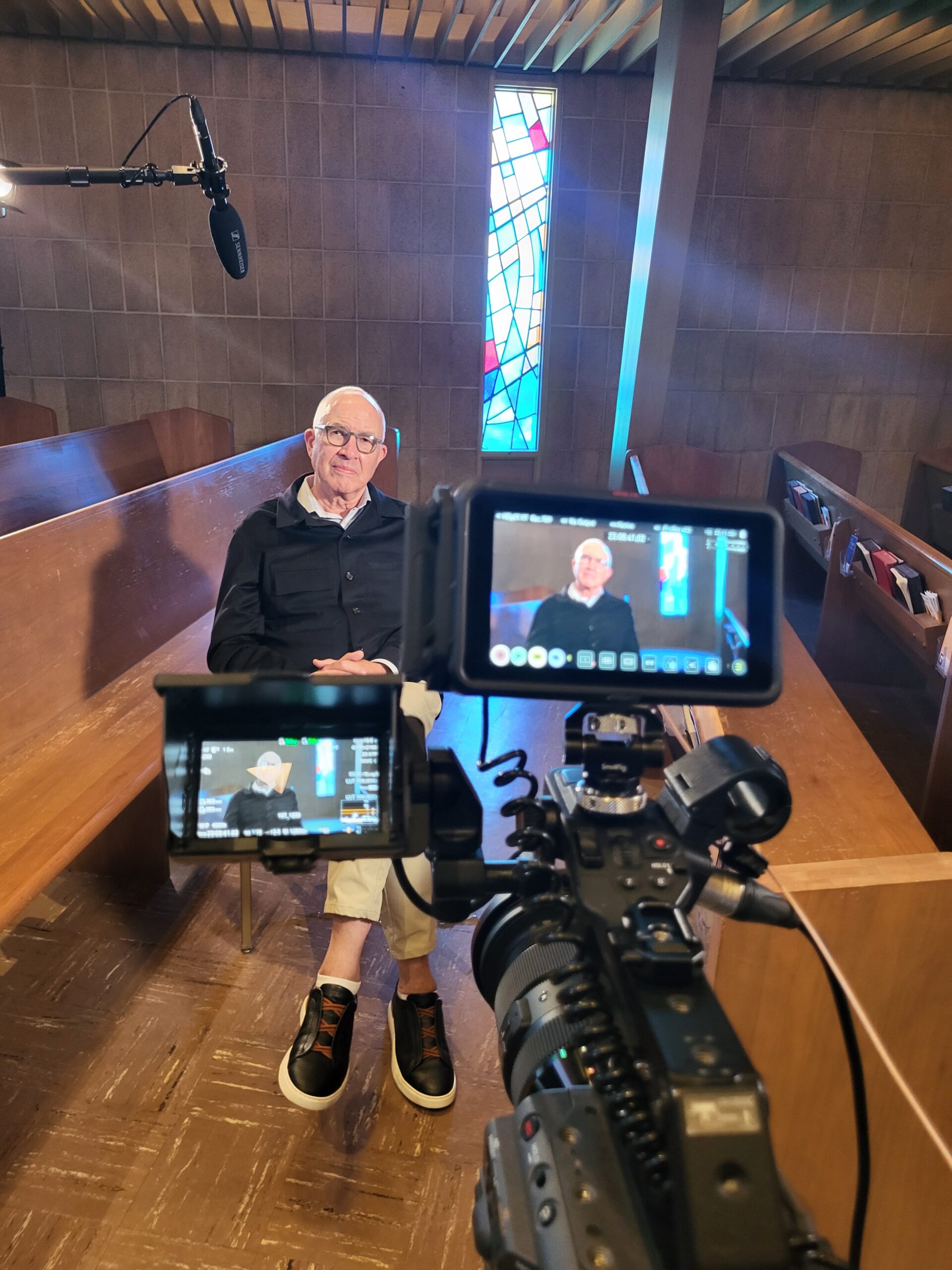
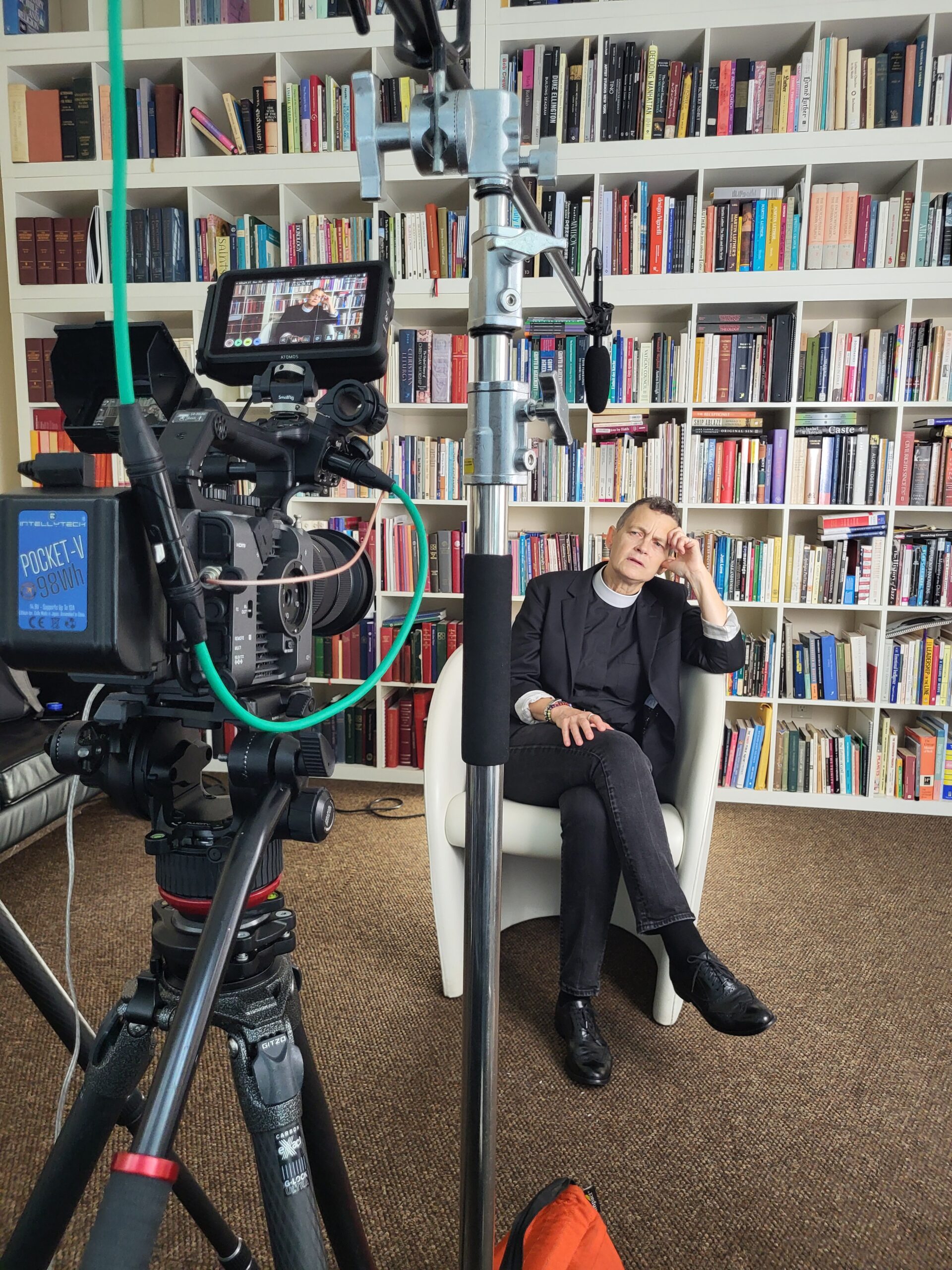
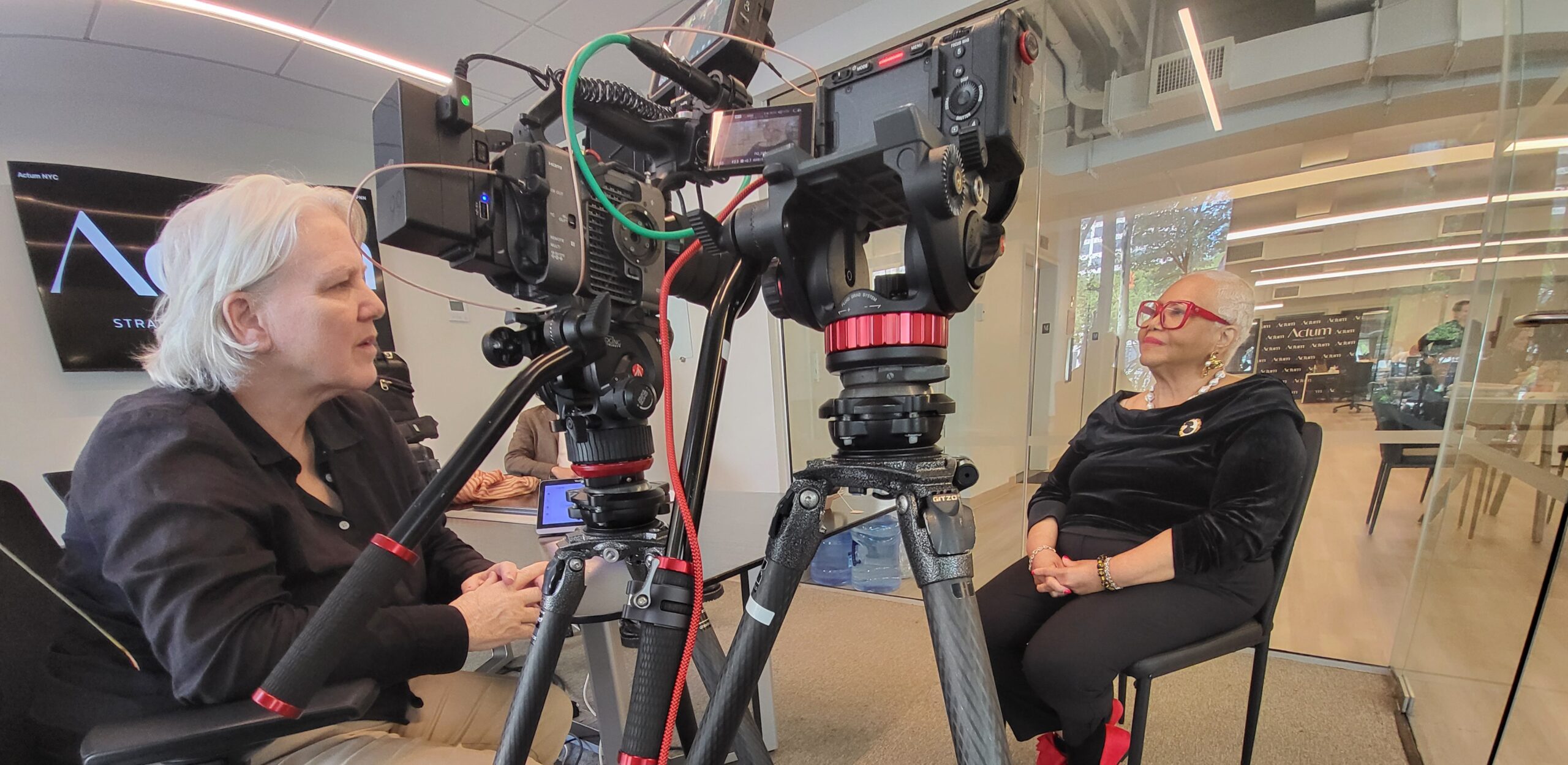
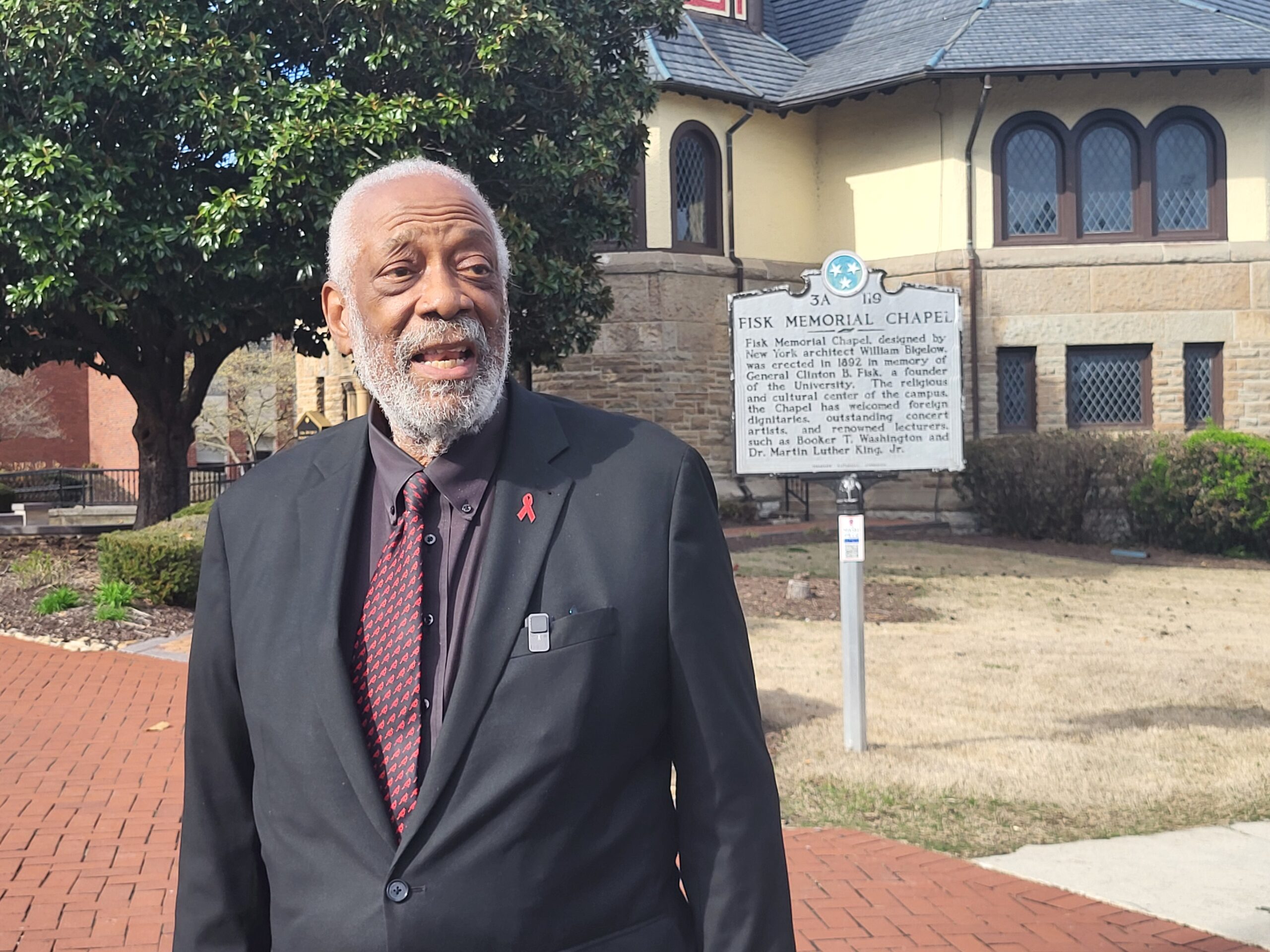
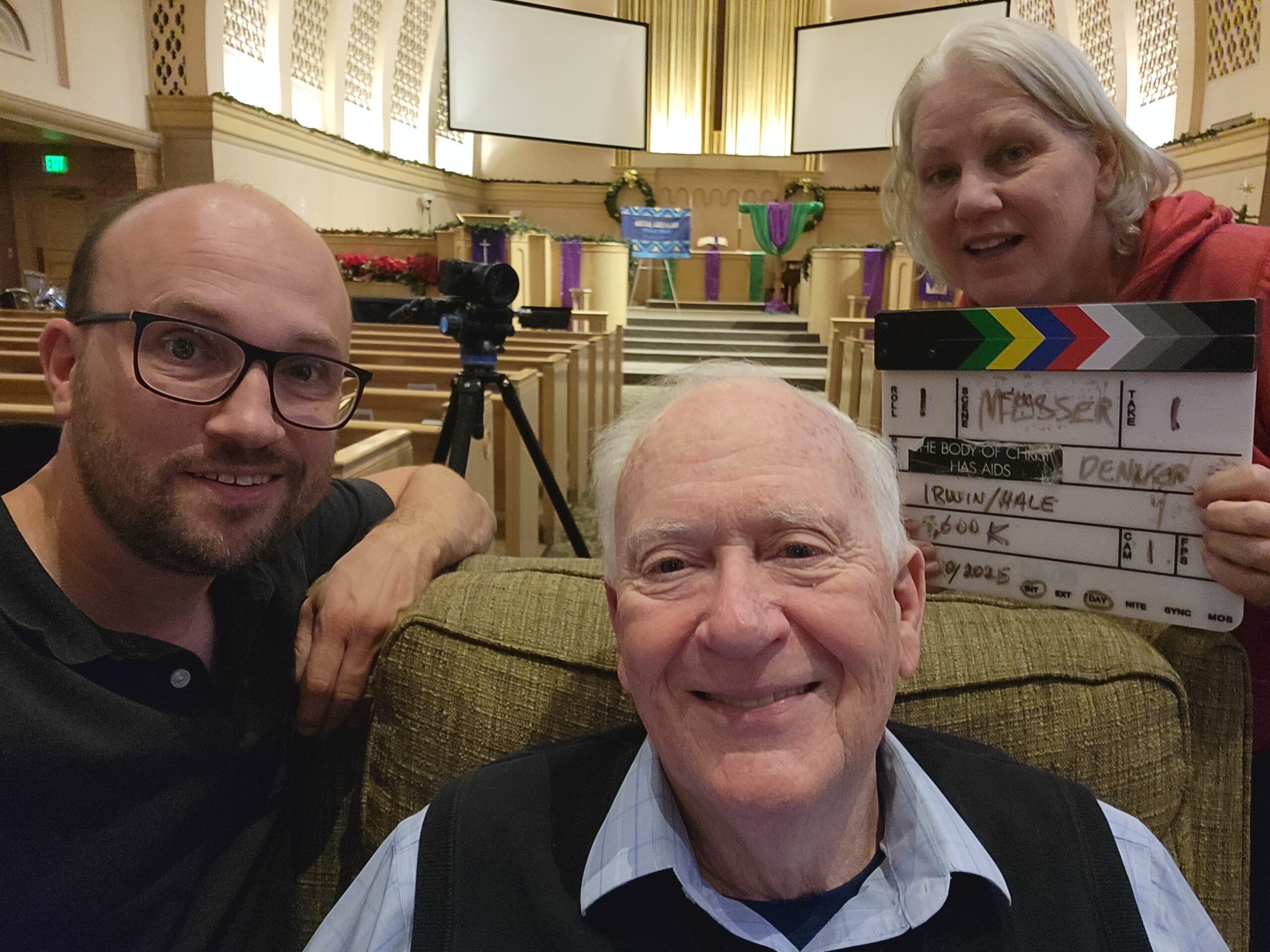
Produced and directed by Irwin and Stephen Hale, The Body of Christ Has AIDS is a 90-minute documentary, currently in post-production, that was more than two and half years in the making. Production has taken the independent filmmakers across the country to St. Louis, Nashville, Charlotte, San Francisco, and beyond. They’ve interviewed pastors, bishops, clergy, and laypeople about what they witnessed, what they did, and what they wished had been different.
Irwin brings over 30 years in the arts and nonprofit world to the project, including her work as co-producer on the Los Angeles stage production of The Normal Heart. Stephen Hale holds advanced degrees in theology and has spent decades working with churches and nonprofits through his company, Capital Hope Media. The pair knew the subject matter would be controversial, but they pressed forward, committed to telling the authentic story, one that doesn’t soften the church’s failures and doesn’t erase its heroes.
None of that work would have been possible without The California-Pacific Annual Conference of The United Methodist Church (Cal-Pac), which was the first foundational donor to the project. The conference provided the seed money that helped put the filmmakers on planes and keep the cameras rolling.
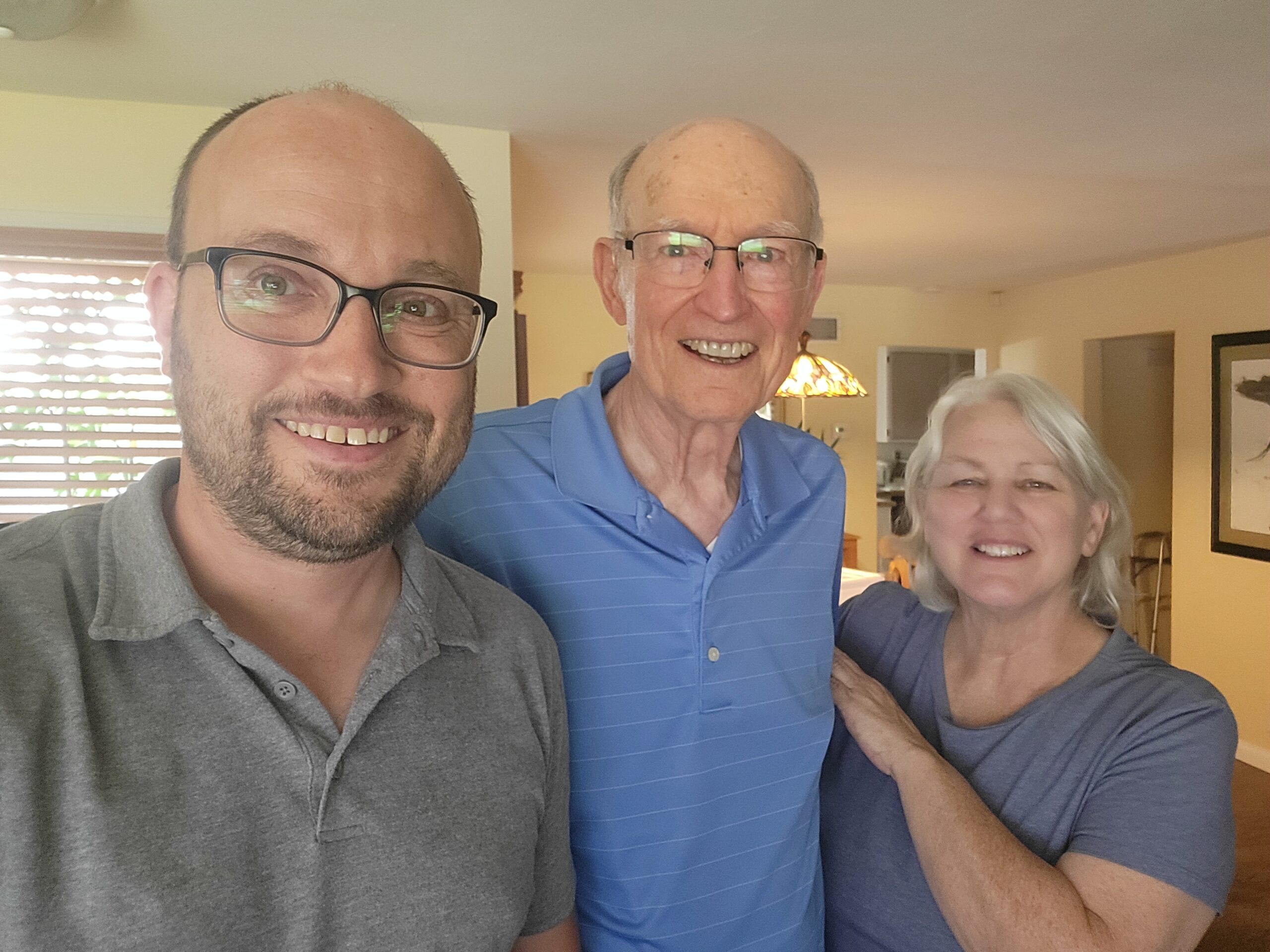
At the center of the film is Reverend Dr. Ed Hansen, a United Methodist pastor who serves both as the documentary’s protagonist and conduit. “Ed Hansen is our main character,” Irwin says. “He’s in act one, two, and three. Nobody else is.”
Hansen’s story begins in the 1960s, when the Protestant church briefly seemed poised to embrace LGBTQ+ rights alongside the women’s rights and civil rights movements. He was part of that hopeful moment, conducting gay bar ministry in San Francisco during his seminary internships and working with the Council on Religion and the Homosexual, one of the first interfaith LGBTQ+ advocacy groups in the country.
The momentum was stopped in 1972, when the United Methodist church officially adopted the position that, “homosexuality is incompatible with Christian teaching.”
As Hale explains, “One way to tell the history of the United Methodist church is that since 1968 they’ve been arguing over whether it’s okay to be gay. In 1972, they said it wasn’t. In 2024, they finally said, ‘We were wrong.”
That 2024 General Conference decision changed everything. It removed the “incompatible” language after more than 50 years, giving the film a remarkable bookend. Hansen’s story doesn’t just revolve around the AIDS crisis, it spans the entire arc of the denomination’s reckoning with its own identity.
The heart of the documentary is act two, the 1980s and 1990s, when HIV/AIDS was decimating communities across America while many churches looked away or worse, declared the epidemic divine punishment. As Hale describes it, “Some churches were doing nothing, some were doing negative things, and then some churches were like, “Well, what can we do?”
The documentary follows three interwoven narratives: Hansen’s United Methodist journey; the work of Reverend Edwin Sanders, a Black pastor in Nashville whose Metropolitan Interdenominational Church became a sanctuary for marginalized communities and who served on presidential AIDS councils; and Rev. Jim Mitulski of the Metropolitan Community Church in San Francisco, a denomination founded specifically for LGBTQ+ Christians, where multiple funerals every Saturday became a devastating norm.
One of the powerful examples of congregational courage is Lafayette Park United Methodist Church in St. Louis, located in the heart of the city’s LGTBQ+ community, and directly across the street from a funeral home. When people with AIDS were dying, many disowned by their own families, and Lafayette Park offered them dignity in death. The church performed funerals when no one else would. To this day, flowers in a vase sit on the chancel representing every person buried during the crisis.
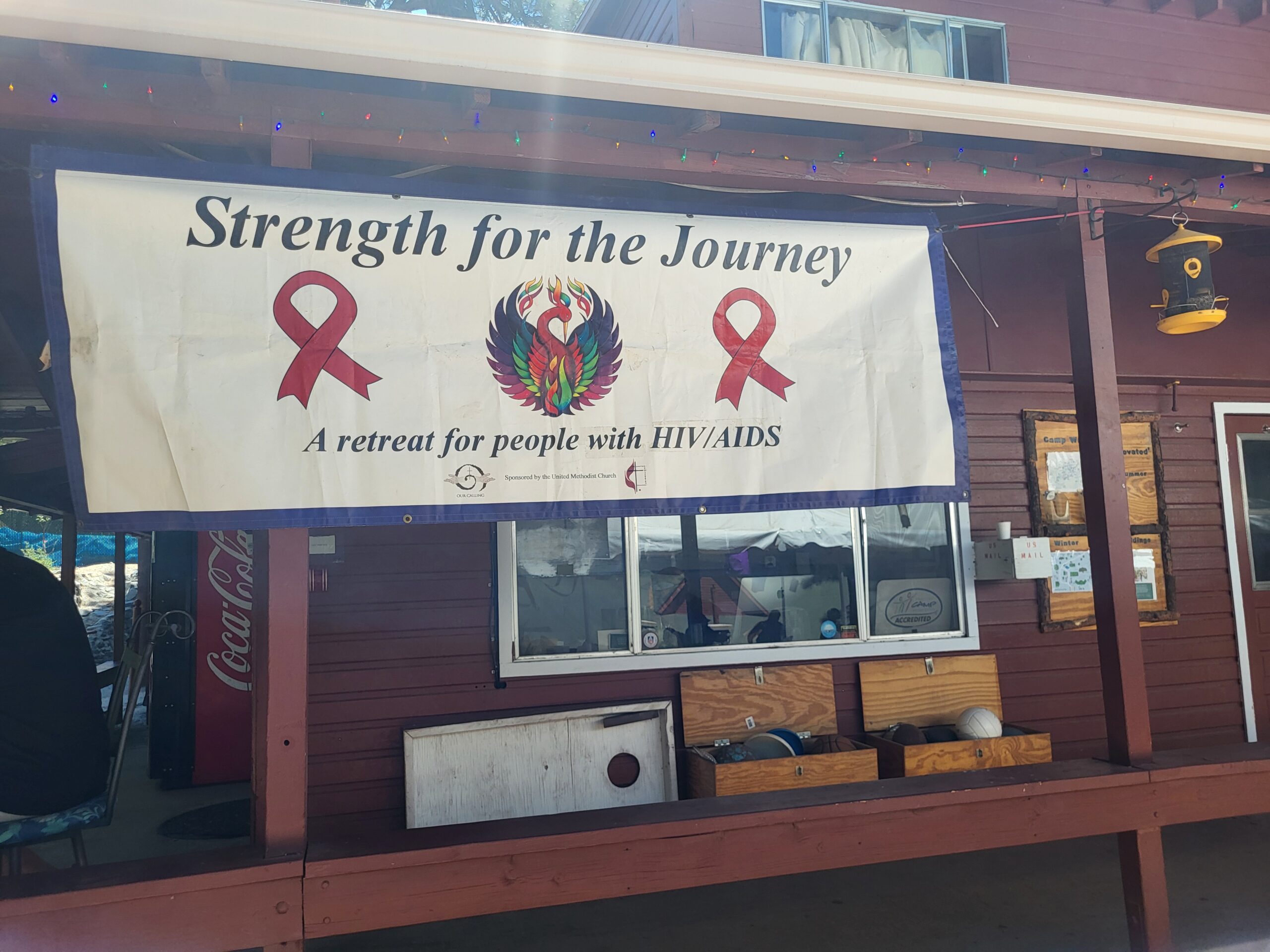
Cal-Pac’s role in this story goes beyond funding the documentary. In 1988, Cal-Pac’s HIV/ AIDS Task Force helped sponsor Strength for the Journey, an AIDS camp created by a coalition of faith leaders including Hansen. Its mission was to provide spiritual and emotional support to people who were dying. “Cal-Pac led the Strength for the Journey AIDS camp for anyone with HIV and AIDS,” Irwin says, “and it’s still going today.”
The documentary doesn’t end in the 1990s. Its third act moves to the global AIDS crisis, where an unexpected alliance between conservative evangelical leaders and progressive advocates produced PEPFAR, the President’s Emergency Plan for AIDS Relief. Despite profound ideological differences, this coalition produced a program that has saved tens of millions of lives.
The film doesn’t shy away from the uncomfortable truth that certain churches mobilized compassion for African children while withholding that same compassion from gay men, those within their own communities, congregations, and families. But it also holds space for possibilities, that shared moral goals can bridge even the deepest divides and that the church, at its best, is capable of transformation.
When asked how they approached telling such a sensitive story, especially while collaborating with faith communities, Irwin and Hale described a philosophy built on courage and honesty. Their goal is not to re-litigate theology. It is to ask: What actually happened? Who showed up? Who didn’t? And what do we owe the memory of those who died? Placing the stories side by side lets viewers draw their own conclusion.
The Body of Christ Has AIDS is currently in post-production, with a final 90-minute cut in progress. The team has raised about 10% toward a post-production goal of over $80,000, with a target to complete fundraising by the end of the year.
The project has been supported by a growing community of Methodist and faith-based donors who believe the story must be told. In addition to the seed money from Cal-Pac, the Pacific Northwest Conference has also contributed, and the Center for Health and Hope founded by the respected Methodist leader Reverend Dr. Don Messer, has made a generous donation.
United Women in Faith (UWF) has also been an essential champion of the project. Shirley Struchen, a UWF member and former UM Communications professional, has served as an angel donor and tireless advocate and will be promoting the film at the UWF Assembly, a national gathering in Indianapolis in May.
Alongside these institutional supporters are individual donors, many of them United Methodists and people of faith, who are proof this story resonates at every level of the church.
To donate, join the mailing list, or learn more about the film and upcoming preview screenings, visit www.thebodyofchristhasaids.com. You can also follow the project on their Facebook page for updates.